The Department of Samhita & Siddhanta lays the classical foundation of Ayurvedic education, introducing students to the core texts and fundamental principles that guide the entire system of Ayurveda.
Samhita & Siddhanta forms the theoretical backbone of the BAMS curriculum. The department focuses on the in-depth study of the classical Ayurvedic texts — Charaka Samhita, Sushruta Samhita, and Ashtanga Hridaya — along with the foundational principles (Siddhanta) that define Ayurvedic philosophy, physiology, and pathology.
Students are trained to interpret Sanskrit shlokas, understand their clinical relevance, and apply classical concepts to contemporary practice, building the conceptual base required for all subsequent clinical subjects.
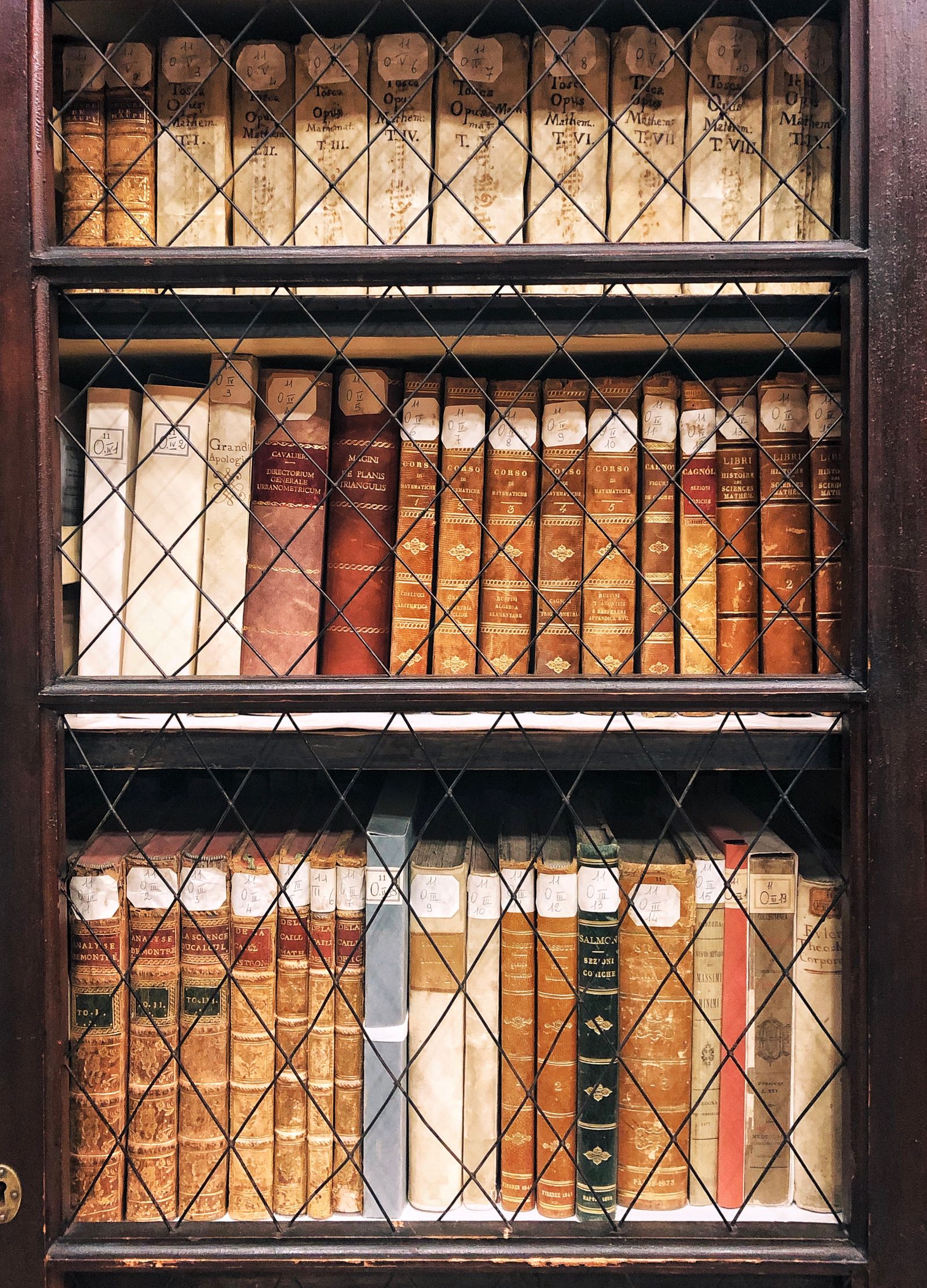
With a dedicated Sanskrit language lab and a departmental library of reference editions and commentaries, the department gives students structured, text-based training in reading, translating, and reasoning through the Samhitas — the essential first step before any clinical subject can be meaningfully studied.
The doctrine of Vata, Pitta, and Kapha — the three governing forces whose balance forms the basis of Ayurvedic physiology and disease understanding.
The theory of the five great elements — Akasha, Vayu, Agni, Jala, and Prithvi — that constitute both the body and the material world.
The framework of the seven bodily tissues and three waste products, explaining nourishment, structure, and elimination within the body.
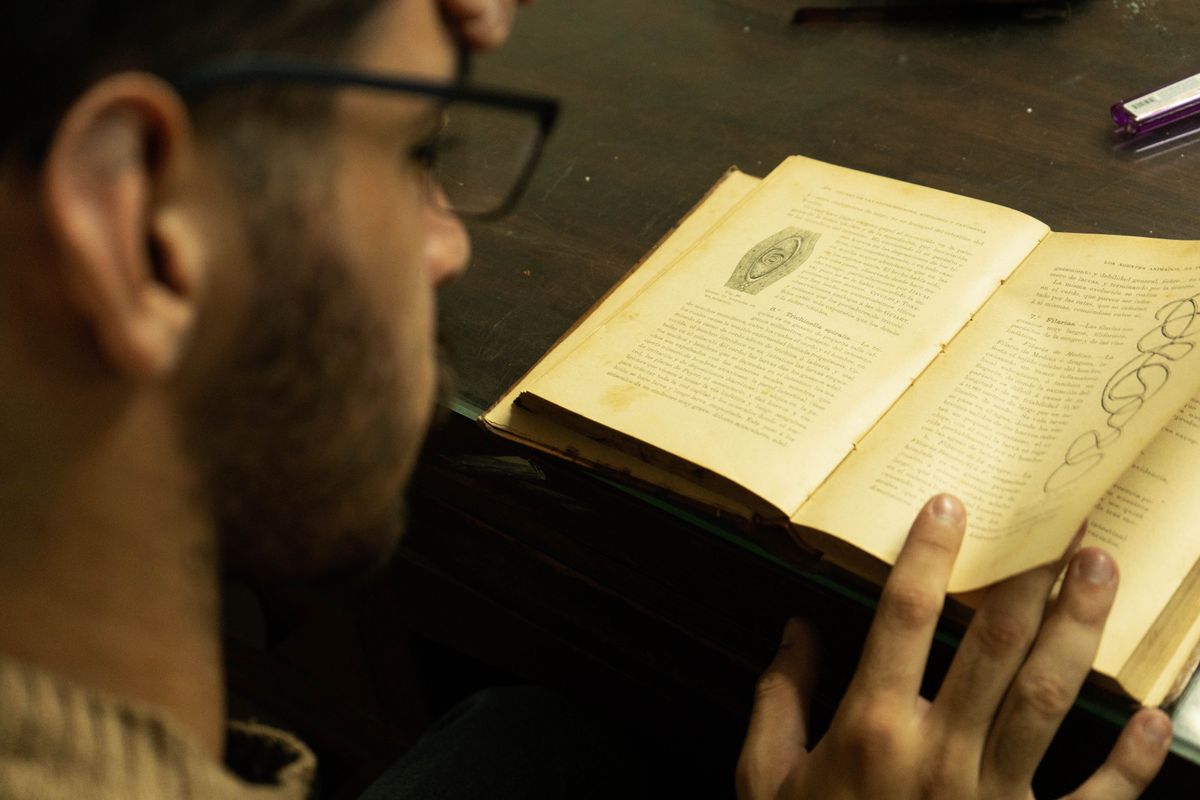
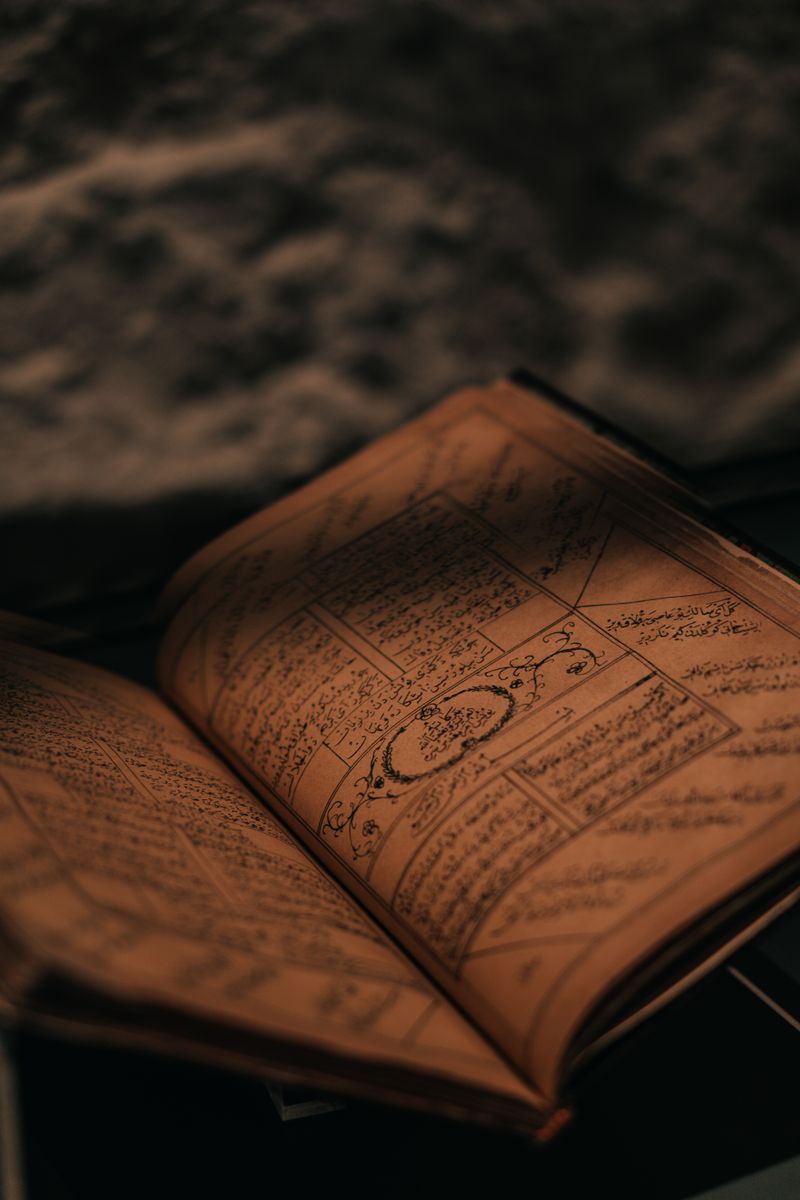
A glimpse of our departmental library, Sanskrit language lab, and classroom sessions used for text-based training.
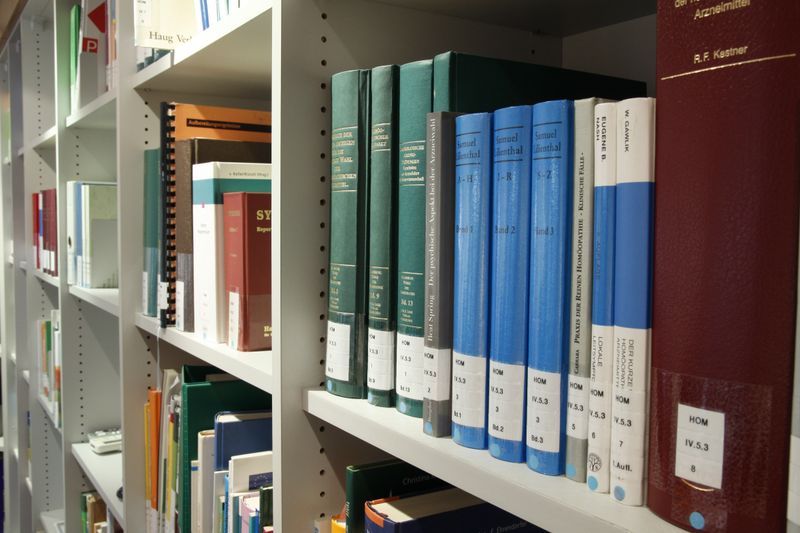


Fundamental principles & philosophy of Ayurveda.
Core text on internal medicine & Ayurvedic principles.
Classical text on surgery & surgical principles.
Comprehensive compendium covering all eight branches.
Language training for reading & interpreting classical texts.
Basics of research design applied to Ayurvedic studies.