Shalya Tantra is Ayurveda's ancient science of surgery, first systematised by Acharya Sushruta. The department trains students in the diagnosis and surgical, para-surgical, and wound-care management of conditions requiring instrumentation, Kshara, Agnikarma, or Shastra Karma.
Shalya Tantra deals with the diagnosis and management of conditions treated through Shastra Karma (instrumental/surgical procedures) and Anushastra Karma — the para-surgical measures of Kshara (chemical cautery), Agni (thermal cautery), and Jalaukavacharana (leech application). It is one of the eight classical branches of Ashtanga Ayurveda and is credited as the earliest documented system of surgery.
The department imparts theoretical and practical training based on the Sushruta Samhita, covering surgical anatomy (Shareera Rachana Vijnana relevant to surgery), Yantra-Shastra (instruments), Vrana Chikitsa (wound management), Ksharasutra therapy for anorectal disorders, and Agnikarma for musculoskeletal and other conditions.
Students gain hands-on exposure through suturing and instrument-handling practice on models, observation and assistance in minor OT and Ksharasutra/Agnikarma procedures, and supervised OPD/IPD clinical postings for pre- and post-operative patient care.
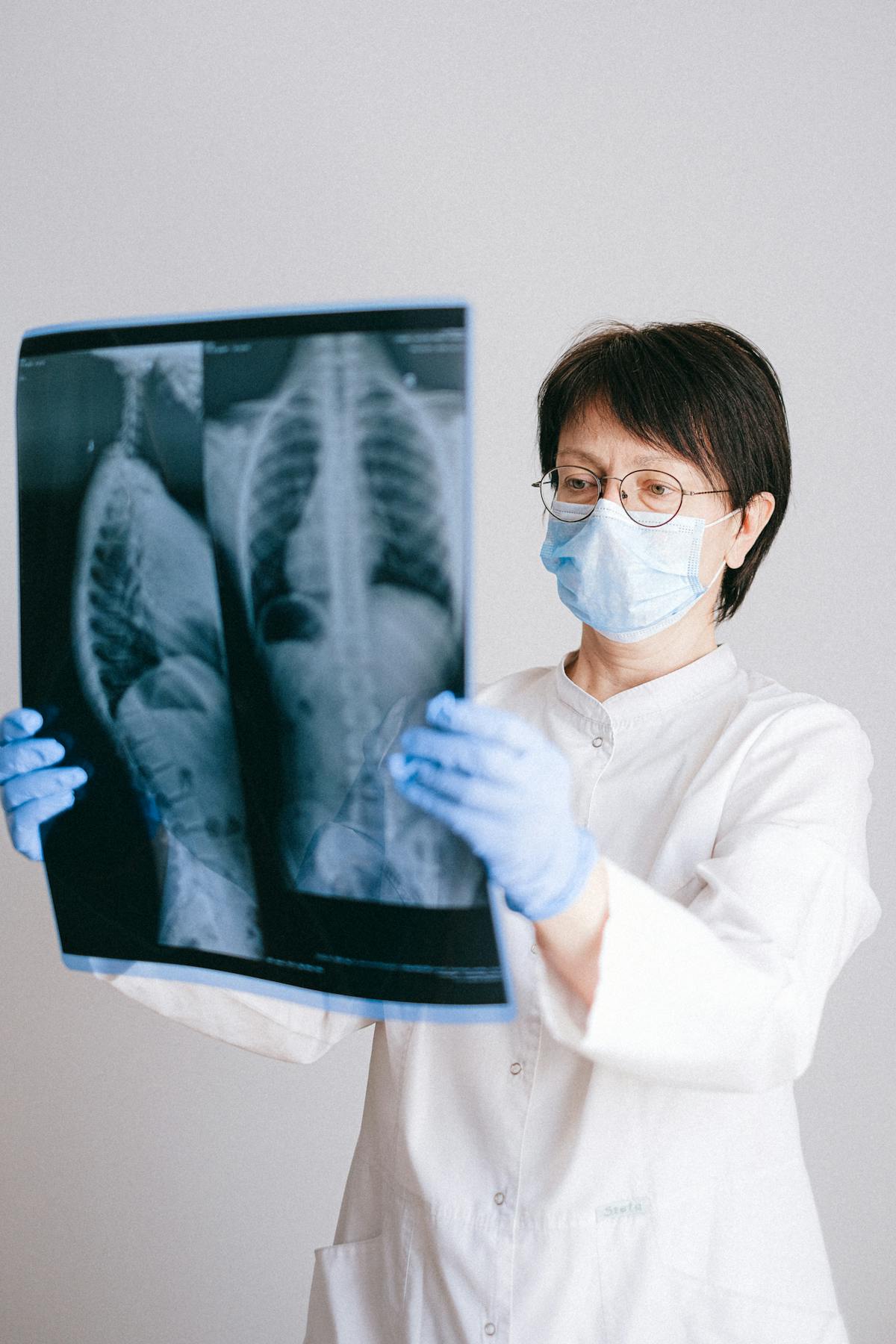
Instrumental surgical procedures — the Ashtavidha Shastra Karma of excision, incision, scraping, puncturing, probing, extraction, evacuation, and suturing.
Para-surgical measures — Kshara Karma, Agnikarma, and Jalaukavacharana — used as alternatives or adjuncts to instrumental surgery.
Systematic wound assessment and management through the Shashti Upakrama, guiding healing from the acute stage through to complete Ropana (healing).
Assessment and management of wounds and ulcers through classical dressing protocols.
Medicated-thread therapy, chiefly for Bhagandara (fistula-in-ano) and Arsha (piles).
Therapeutic thermal cautery for Vata-dominant musculoskeletal and joint disorders.
Anorectal disorders — Arsha, Bhagandara, and Parikartika — and their surgical management.
Minor surgical procedures including excision, incision, and suturing of superficial lesions.
Classification, design, and use of surgical instruments (Shastra) and appliances (Yantra).
The eight fundamental surgical procedures — Chedana, Bhedana, Lekhana, Vedhana, Esana, Ahrya, Vsraya, and Sivya.
The Shashti Upakrama and classical dressing techniques for wound healing and management.
Preparation and clinical application of Kshara and medicated threads in anorectal and other conditions.
Indications, contraindications, and technique of therapeutic thermal cautery.
Anorectal, urinary-tract, and wound-related surgical conditions and their classical management.