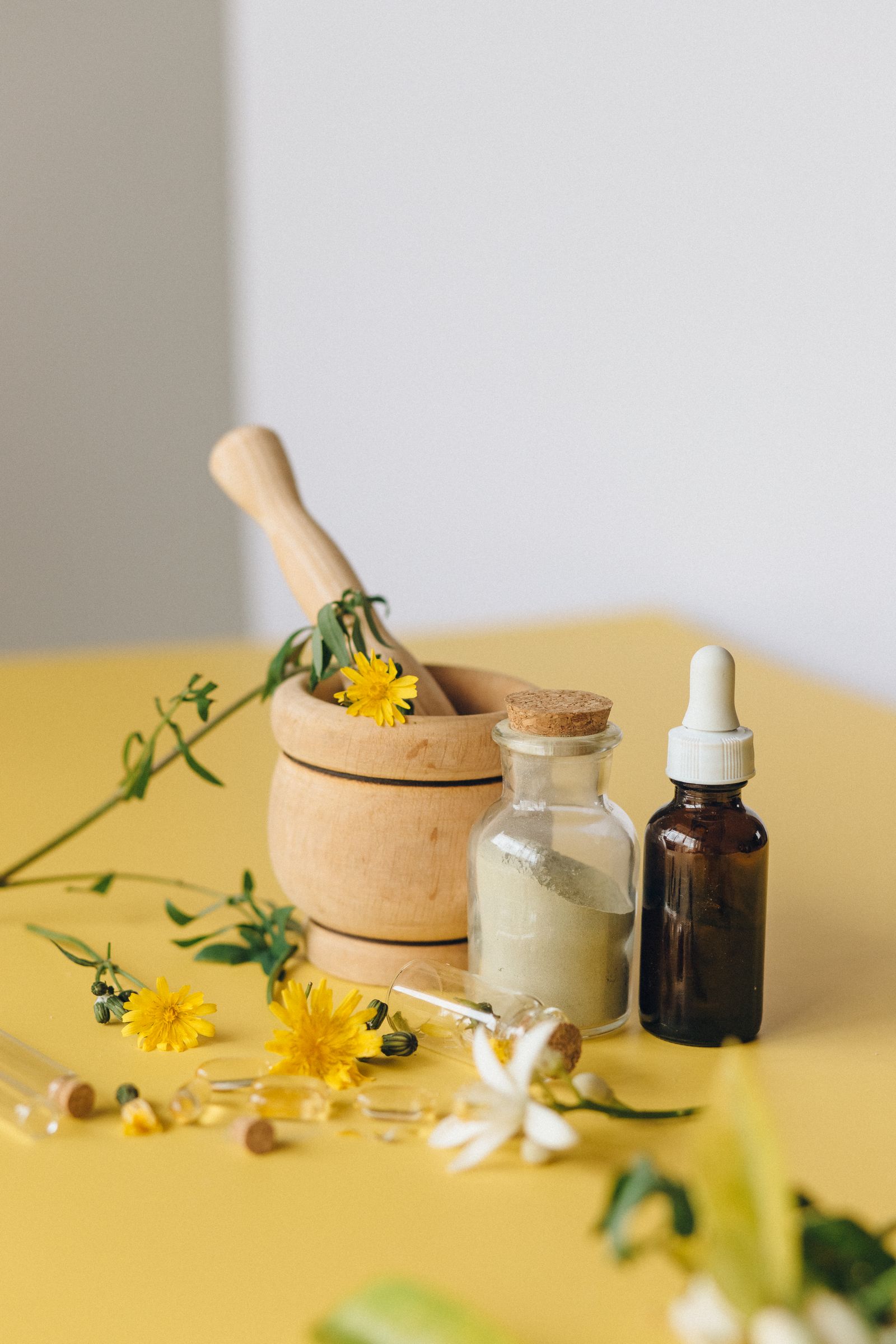
Dravyaguna Vijnana is the Ayurvedic science of pharmacology and materia medica — the systematic study of medicinal substances, their properties, and their therapeutic actions, forming the essential bridge between raw nature and clinical practice.
Dravyaguna Vijnana literally translates to "the science of the properties of substances." It is the branch of Ayurveda dedicated to identifying medicinal plants, minerals, and animal-derived substances (Dravya), and understanding their taste (Rasa), qualities (Guna), potency (Virya), post-digestive effect (Vipaka), and unique action (Prabhava) — together known as Rasapanchaka.
The department trains students to correlate classical descriptions from the Samhitas and Nighantus with modern pharmacognosy, phytochemistry, and pharmacology, enabling a scientific understanding of how traditional formulations act on the body. Emphasis is placed on the identification, cultivation, collection, and quality assessment of medicinal plants most commonly used in clinical practice.
With a dedicated herbal garden, a pharmacognosy laboratory, and a museum of raw drugs and specimens, the department gives students hands-on exposure to plant identification, drug authentication, and the growing challenges of adulteration and quality control in the herbal drug industry.
Taste and the fundamental qualities of a substance — the first lens through which Ayurveda understands a drug's nature and effect on the body.
The potency of a substance during action, and its transformed effect after digestion — key to predicting a drug's deeper physiological impact.
The unique, sometimes unexplainable specific action of a drug, and its overall pharmacological effect once all other factors are accounted for.
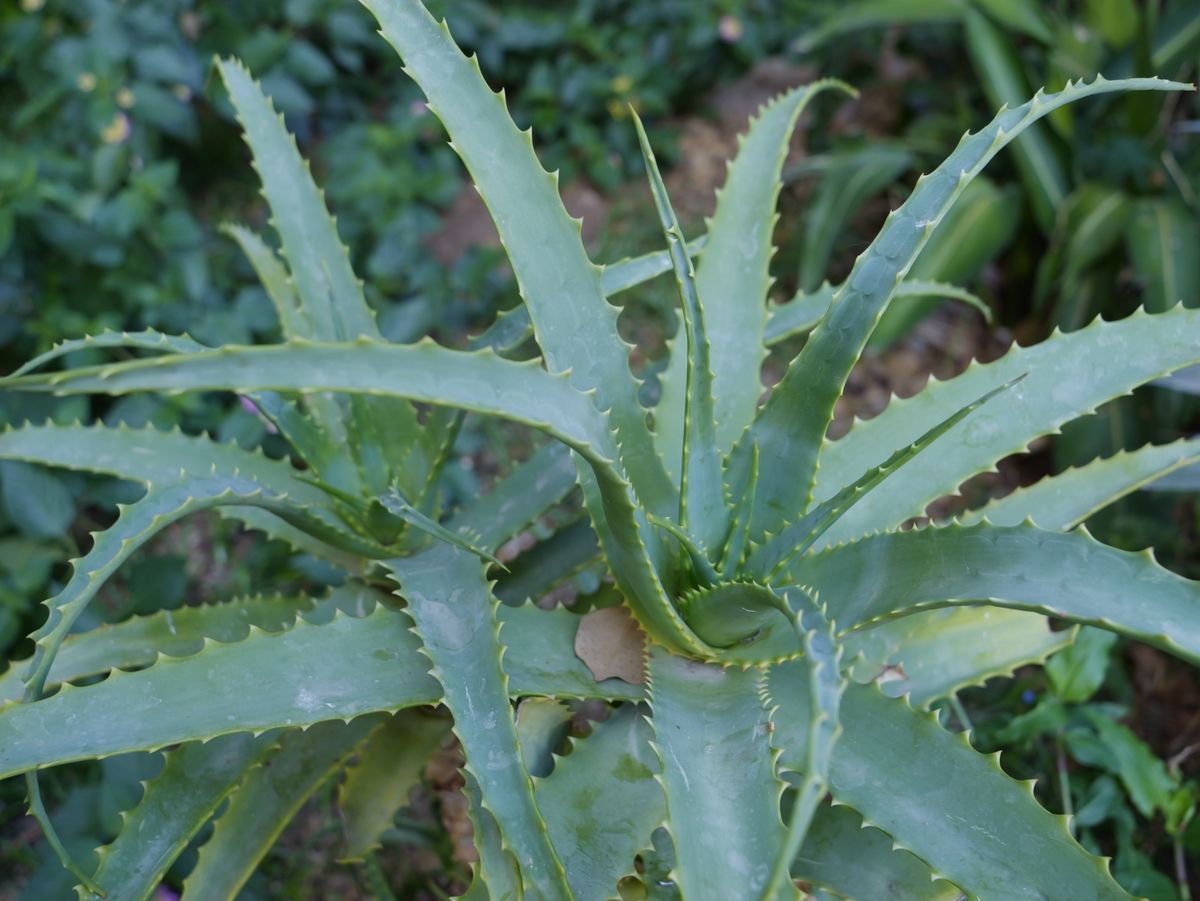
A glimpse of our herbal garden, pharmacognosy laboratory, and raw-drug museum used for practical training.
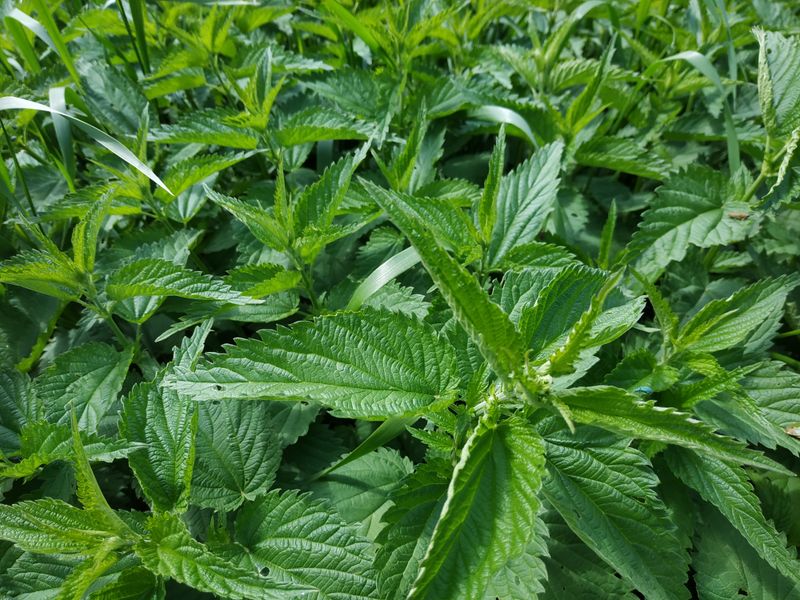

Definition, classification, and Panchabhautika composition of medicinal substances according to the Samhitas.
The fivefold pharmacological analysis of a drug — Rasa, Guna, Virya, Vipaka, and Prabhava — and their clinical application.
Study of pharmacological action — how drugs work on Dosha, Dhatu, and Mala to restore physiological balance.
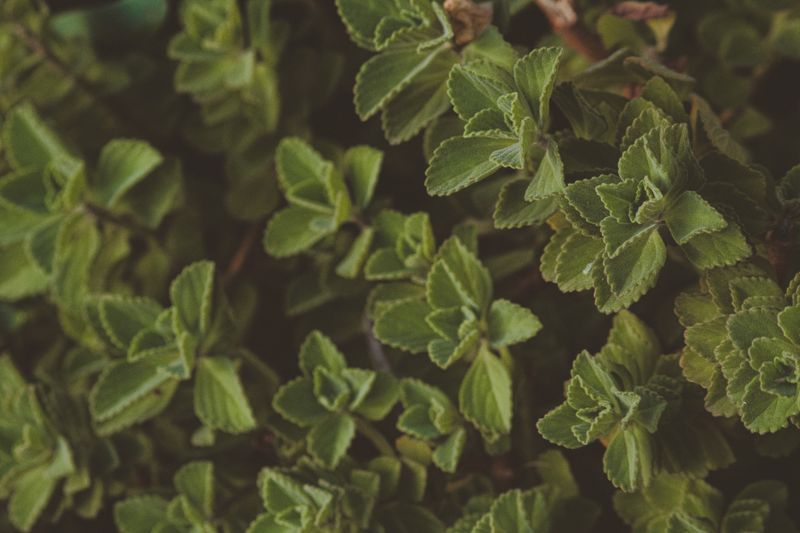
Botanical identification, taxonomy, and field study of medicinal plants across natural and cultivated habitats.
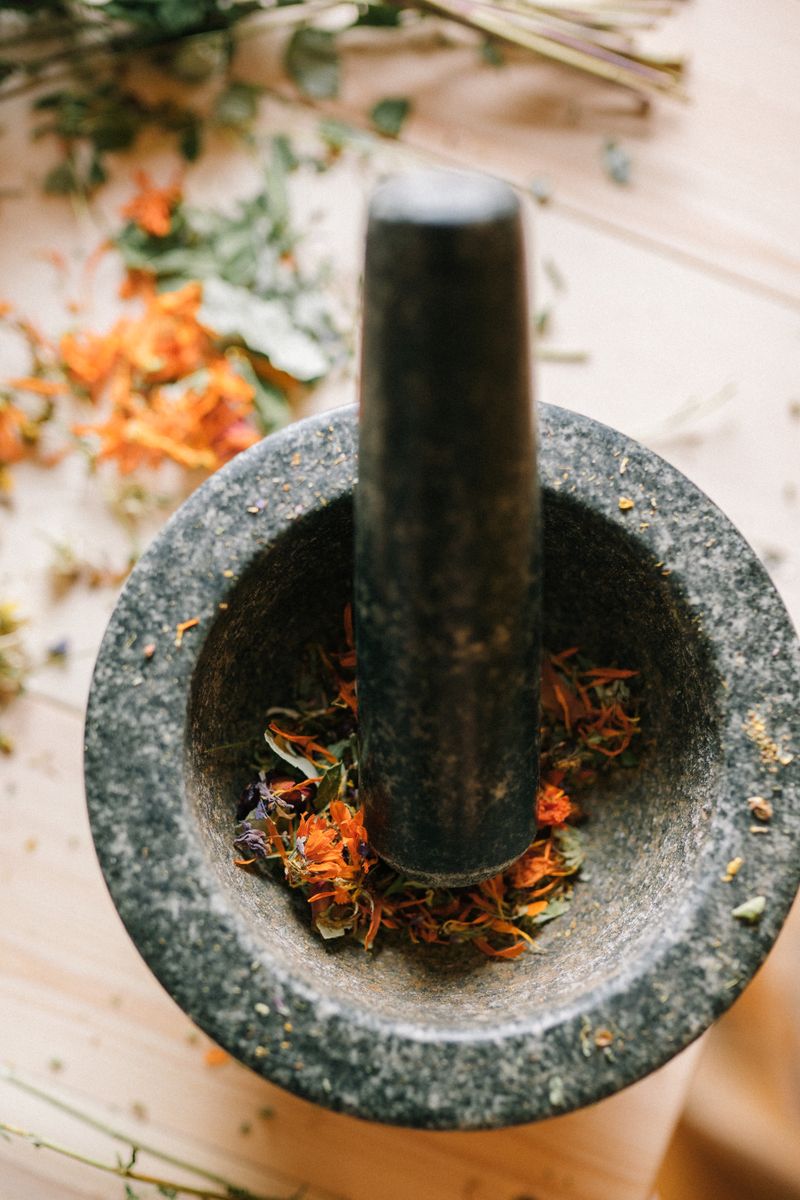
Macroscopic and microscopic drug study, adulteration checks, and standard quality parameters (API, PCIM&H, NMPB).
Applied pharmacology, network pharmacology, and modern research approaches correlated with classical drug action.