Agadatantra is the branch of Ayurveda dealing with Visha (poisons) — their origin, classification, effects, and management — together with Vyavahara Ayurveda (forensic medicine) and Vidhi Vaidyaka (medical jurisprudence), preparing students to handle toxicology and medico-legal responsibility with clinical and legal competence.
Agadatantra is one of the eight classical clinical branches (Ashtanga) of Ayurveda. It deals specifically with Visha — poisons of plant, animal, mineral, and artificial origin — their properties, mode of action, signs and symptoms, and principles of management, drawing on detailed descriptions found in the Charaka Samhita, Sushruta Samhita, Ashtanga Hridaya, and Kashyapa Samhita.
Alongside toxicology, the department covers Vyavahara Ayurveda (forensic medicine) and Vidhi Vaidyaka (medical jurisprudence) — the medico-legal duties of a practitioner, medical ethics, and the legal framework governing medical practice, including relevant provisions of Indian law.
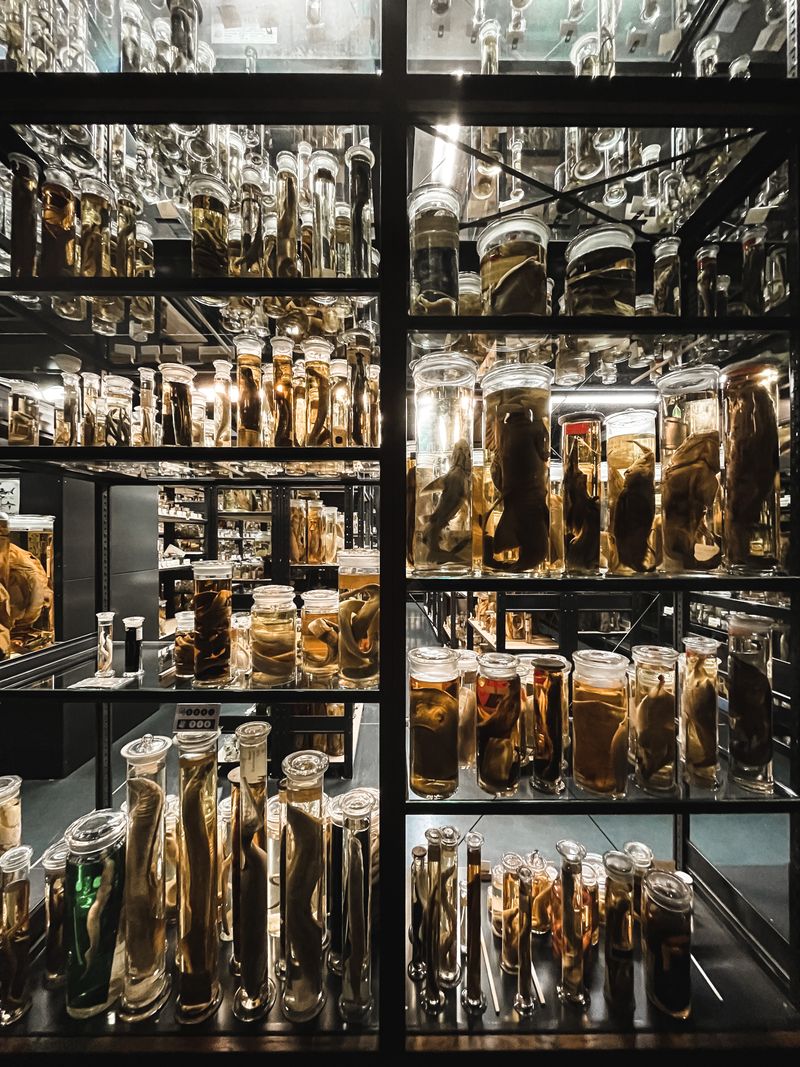
Students gain hands-on exposure through a dedicated Forensic & Toxicology museum housing poisonous specimens, antidotes, medico-legal charts, and models, alongside practical training in the general principles of poison management, gastric lavage, and drafting of medico-legal reports.

The core study of Visha — its origin, classification, stages of action (Visha Vega), signs of poisoning, and the general principles of treatment and antidote (Agada) formulations.
Forensic medicine as applied to Ayurvedic practice — medico-legal examination, injury reports, personal identity, and the physician's role in suspected poisoning or unnatural death.
Medical jurisprudence — the laws, ethics, and legal responsibilities that govern a physician's conduct, including relevant provisions of Indian medico-legal statutes.
Poisons of plant and mineral origin — toxic roots, seeds, and vegetable sources described in classical texts.
Poisons of animal origin — snake, scorpion, spider, and insect venom, along with their bites and stings.
Artificial or compounded poisons, including modern industrial, agricultural, and occupational toxins.
A glimpse of our Forensic & Toxicology museum, laboratory, and medico-legal training resources.



Definition, origin, and scope of Agadatantra; Visha Guna, Gati, and stages of action (Visha Vega).
Classification and management of plant, animal, and artificial/industrial poisons.
Chronic and cumulative toxicity, incompatible food combinations, and their clinical relevance.
Substance abuse, stages of Mada, and Ayurvedic approach to de-addiction and withdrawal management.
Forensic medicine — medico-legal examination, personal identity, injury and death reports.
Medical jurisprudence, professional ethics, and relevant provisions of Indian medico-legal law.