Panchakarma — literally the "five actions" — is Ayurveda's signature system of bio-purification and rejuvenation. The department trains students in the complete protocol of preparatory, main, and post-treatment procedures used to cleanse the body of accumulated Doshas and restore balance.
Panchakarma refers to five classical bio-cleansing procedures — Vamana, Virechana, Basti, Nasya, and Raktamokshana — used to eliminate vitiated Doshas from the body at their source, rather than merely pacifying symptoms. It is one of Ayurveda's most distinctive contributions to healthcare and is widely recognised today as a preventive, curative, and rejuvenative therapy for lifestyle disorders.
The department imparts theoretical and practical training in Purvakarma (preparatory procedures), Pradhanakarma (the main procedures), and Paschatkarma (post-procedure care and diet), following protocols described in the Charaka Samhita, Sushruta Samhita, and Ashtanga Hridaya, delivered mainly during the final professional year of BAMS.
Students gain hands-on exposure through demonstration sessions, self-practice on training models, and supervised OPD/IPD clinical postings, learning to select and sequence the appropriate Panchakarma procedure for a given patient's constitution (Prakriti) and condition.
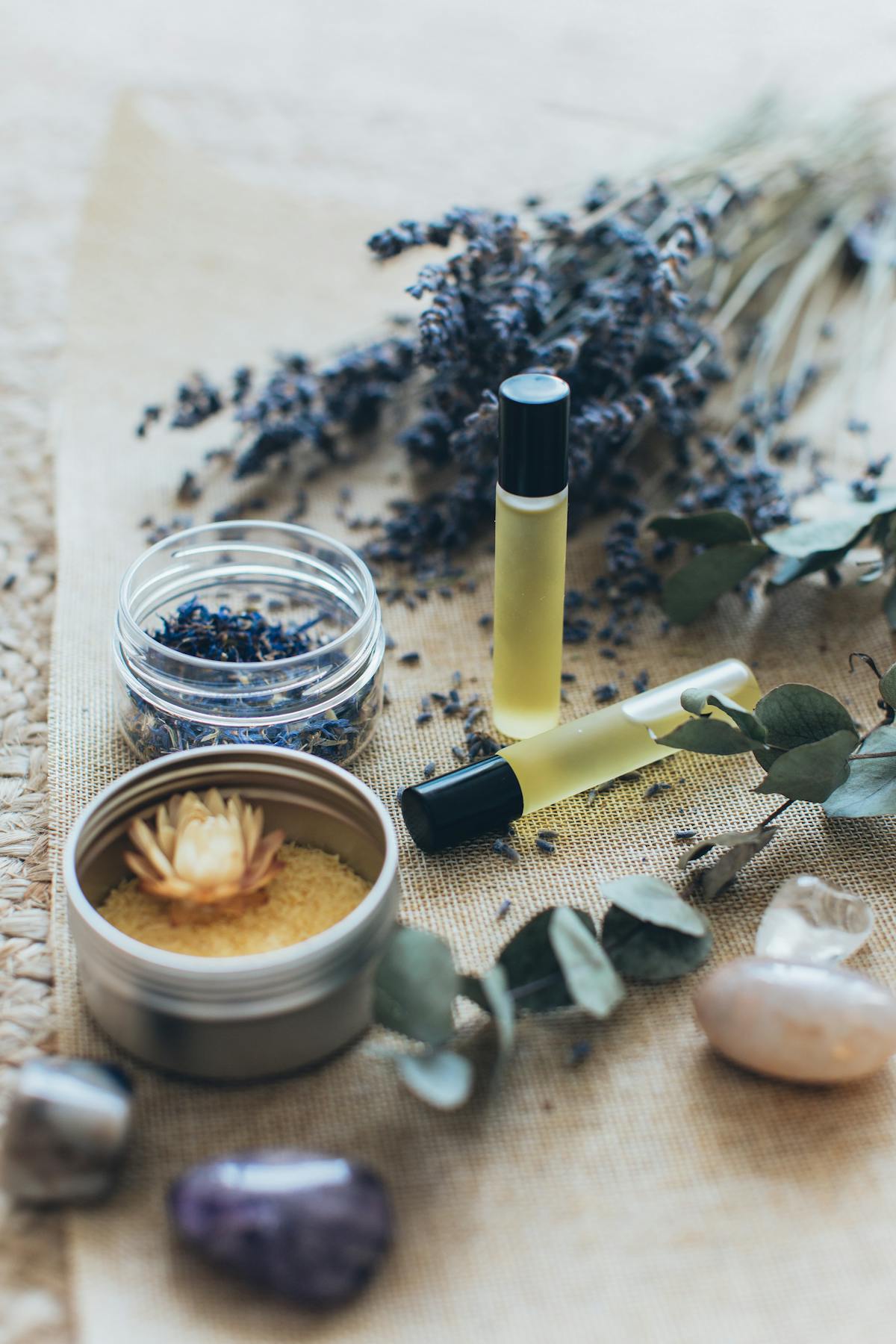
The preparatory phase — Pachana (digestive correction), Snehana (internal/external oleation), and Swedana (sudation) — that loosens toxins and mobilises vitiated Doshas ahead of the main procedure.
The main procedures — Vamana, Virechana, Basti, Nasya, and Raktamokshana — administered according to the patient's constitution to eliminate accumulated Doshas from the body.
The post-procedure phase, chiefly Samsarjana Krama — a graded dietary regimen and lifestyle guidance that restores digestive strength and consolidates the benefits of treatment.
Therapeutic emesis for Kapha-predominant disorders.
Therapeutic purgation for Pitta-predominant disorders.
Medicated enema therapy — the principal treatment for Vata disorders.
Nasal administration of medication for disorders above the shoulders.
Bloodletting therapy for blood-borne and localised Pitta disorders.
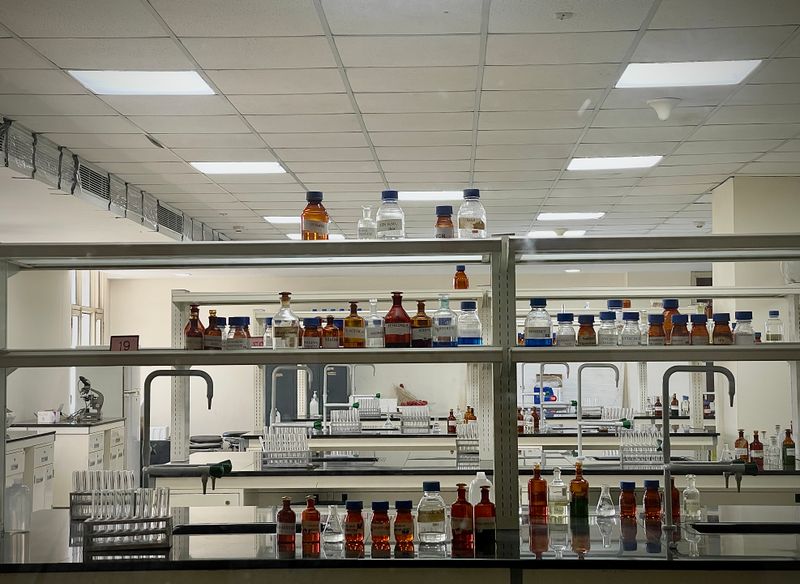
A glimpse of our Panchakarma treatment units, Snehana and Swedana therapy rooms, and preparation stores.
Principles and procedure of Pachana, Snehana (Abhyanga, Shirodhara), and Swedana.
Indications, contraindications, procedure, and complications of emesis and purgation therapy.
Types of Basti (Niruha, Anuvasana, Uttara Basti), their formulation, dosage, and administration.
Types and procedure of nasal therapy; Siravyadha, Jalauka, and other bloodletting techniques.
Post-procedure dietary regimen, Sansarga rules, and lifestyle guidance for recovery.
Specialised Kerala-style procedures — Pizhichil, Njavarakizhi, Shirodhara, and related therapies.