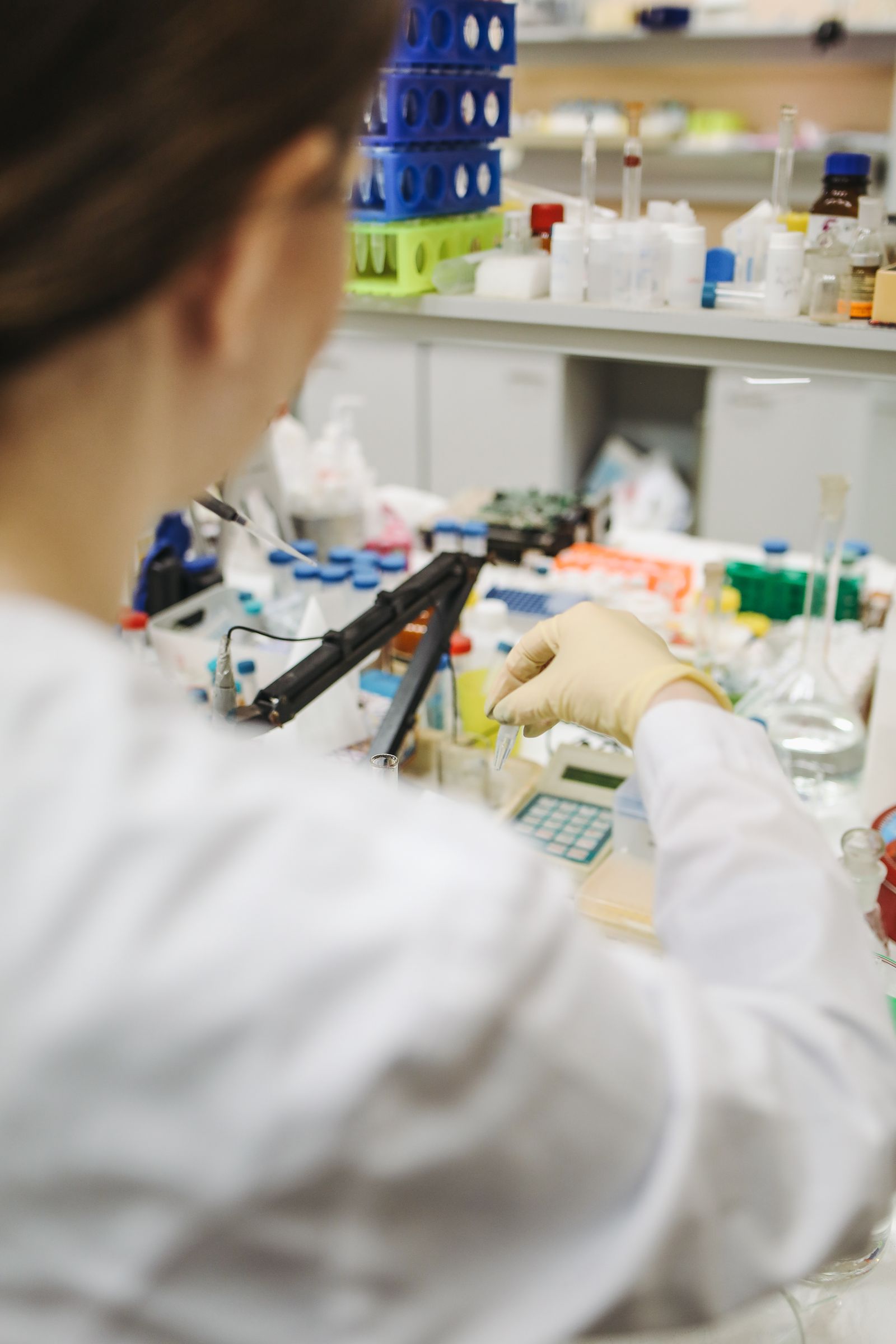
The Department of Kriya Sharira (Ayurvedic Physiology) is the study of the normal functioning of the human body, mind, and senses — building the essential physiological foundation on which the diagnosis and treatment of disease rests.
Kriya Sharira, often described as the Ayurvedic counterpart of Physiology, is the study of the human body in its healthy, functioning state. The word "Sharir" refers to the body and "Kriya" to its functions — together, the subject examines how the body works when it is well, so that deviation from health can later be recognised and treated.
The department builds a deep understanding of the three pillars of the body — Tridosha (Vata, Pitta, Kapha), Sapta Dhatu (the seven tissues), and Trimala (the three waste products) — alongside Agni (digestive fire), Prakriti (individual constitution), Manas (mind), and the physiology of the sense organs. These classical concepts are studied side by side with modern physiology and biochemistry, giving students a bridge between traditional and contemporary medical science.
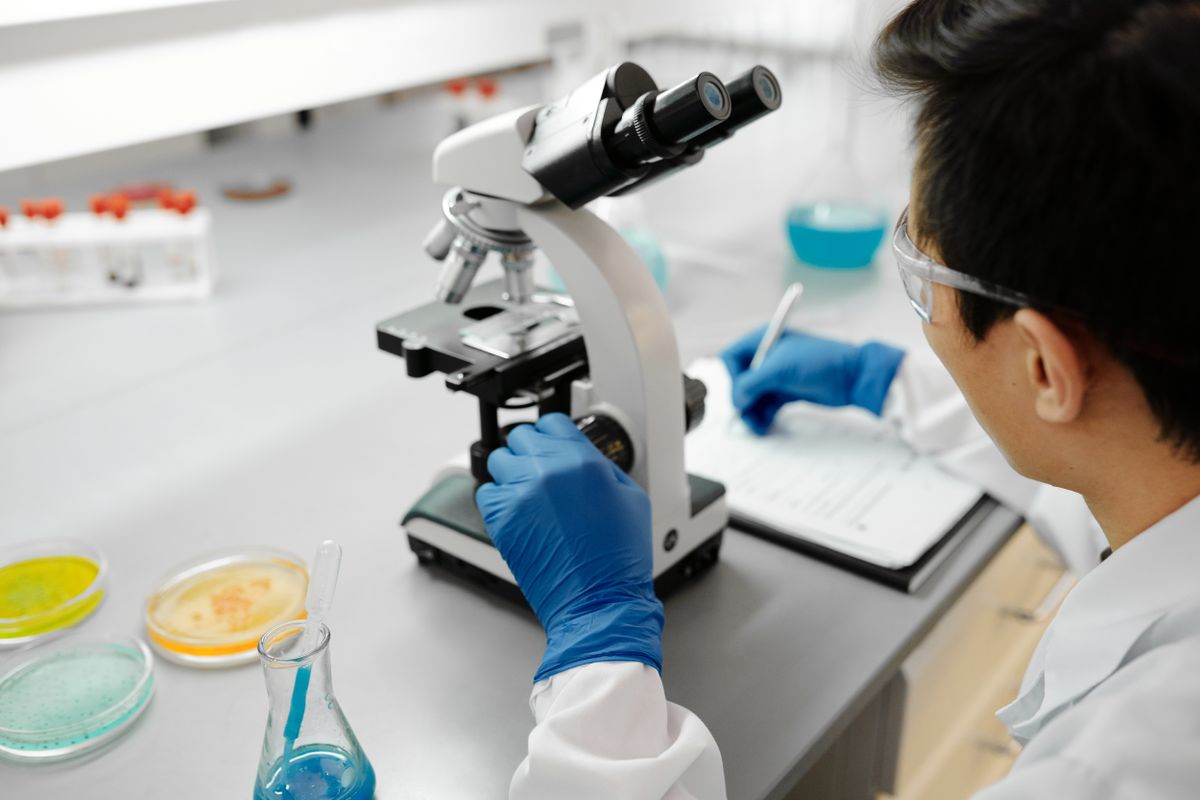
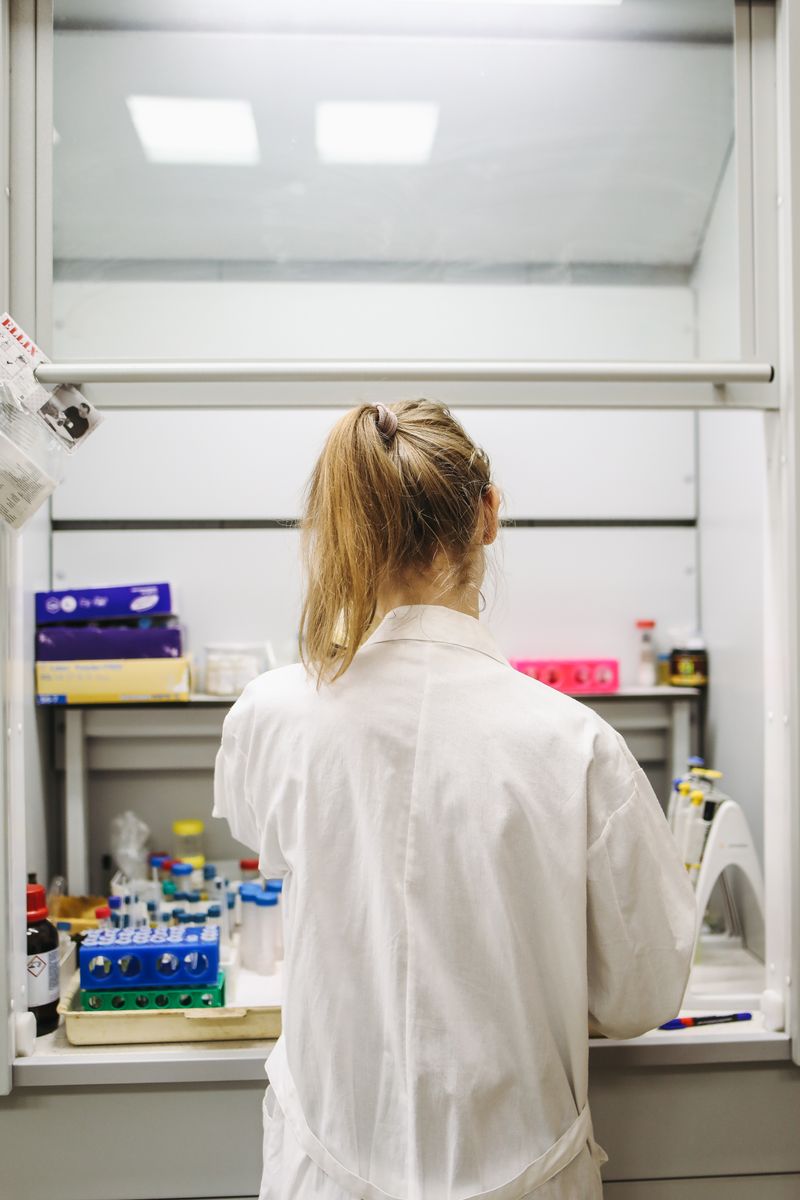
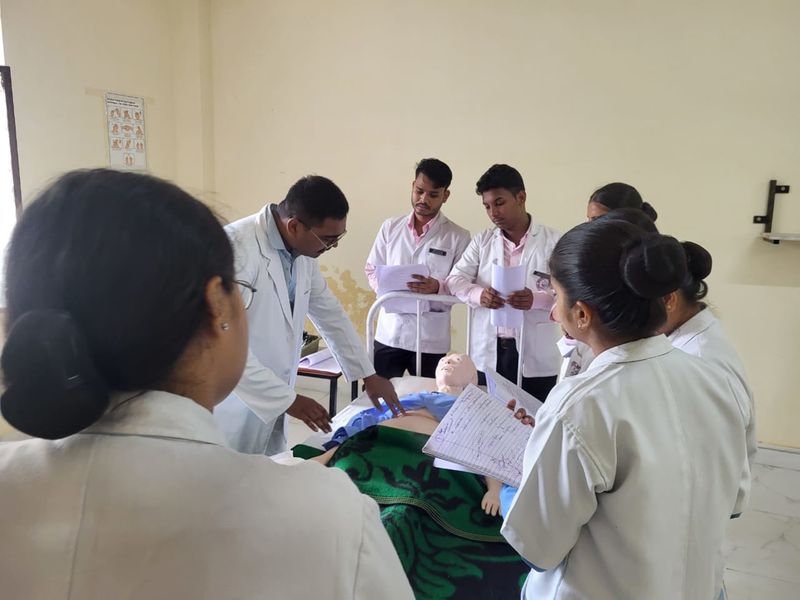
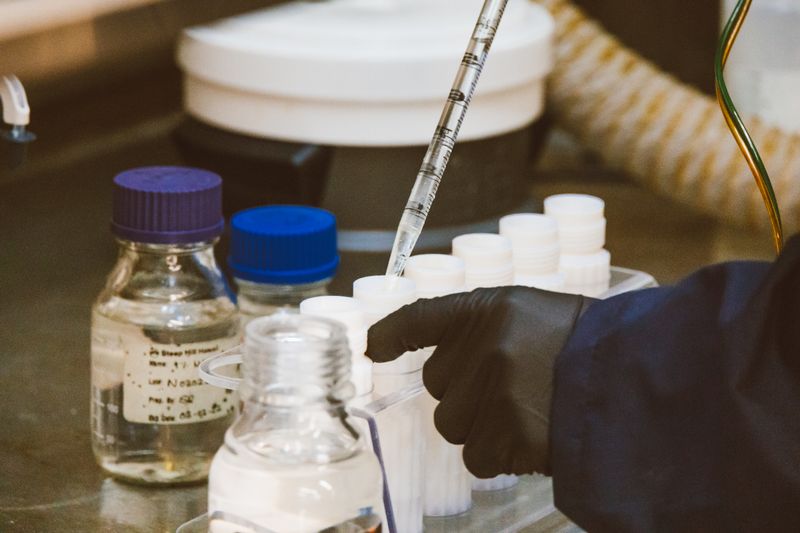
Equipped with a physiology laboratory for clinical demonstrations, Prakriti-assessment practicals, and hands-on sessions correlating Ayurvedic and modern concepts, the department prepares students to reason confidently about health, disease, and the body's response to treatment.
Vata, Pitta, and Kapha — the three biological forces governing all physiological activity, movement, transformation, and structure in the body.
Rasa, Rakta, Mamsa, Meda, Asthi, Majja, and Shukra — the seven tissues that nourish, sustain, and build the body through successive stages of metabolism.
Mutra, Purish, and Sweda — the body's three principal waste products, whose normal elimination is essential for maintaining physiological balance.
A glimpse of our physiology laboratory, Prakriti assessment sessions, and practical demonstrations.

Vata, Pitta, and Kapha — their properties, sites, functions, and biological rhythms across day, season, and age.
Formation, nourishment, and function of the seven Dhatus and their sub-tissues through the process of Dhatu Poshana.
Digestive fire, its types, and the physiology of digestion, absorption, and metabolism (Annavaha Srotas).
Formation, properties, and physiological role of Mutra, Purish, and Sweda in maintaining bodily balance.
Deha-Prakriti and Manasa-Prakriti — the constitutional typing of individuals and its clinical significance.
Physiology of the five sense organs, perception, mind (Manovaha Srotas), Nidra (sleep), and Atma.